Abacus
Learning, made accountable.
A tactile desk instrument, a live teacher dashboard and post-class analytics. Every student can signal how they're doing, quietly and in real time, so no one gets left behind in silence.
- Built
- Public demo
- Testing
- School pilots
Try it: drag any bead. Beads push their neighbours, so the number you move shows how strongly you feel. Hold the middle bead and slide left: 3 of 5 toward friction. A few seconds after you let go, they glide back to centre, ready for the next signal.
Classrooms run on
a broken feedback loop.
About how long a teacher typically waits for an answer after asking a question. Not enough time to form a thought, let alone admit you're lost.
Rowe, M. B. (1986). Wait time. Journal of Teacher Education.Fewer than half of students regularly ask questions when they don't understand what's being taught.
OECD (2024). PISA 2022 Results, Volume V. OECD average, mathematics.Share who ask when in doubt. The students who most need help are the least likely to ask for it.
OECD (2024). PISA 2022 Results, Volume V.Students who report being engaged at school. Engagement falls with every year of schooling.
Gallup (2018). The School Cliff. Gallup Student Poll.Students in lecture-only classes are one and a half times more likely to fail than students in classes where they actively take part. Across 225 studies, participation was the difference.
And feedback ranks among the most powerful influences on achievement there is. A silent classroom gives teachers almost none.
Freeman, S. et al. (2014). Active learning increases student performance. PNAS 111(23). · Hattie, J. & Timperley, H. (2007). The power of feedback. Review of Educational Research 77(1).How a gap goes unnoticed.
- Day 1
A student gets lost
A concept doesn't land. Nothing in the room signals it.
- Same lesson
Silence reads as yes
"Any questions?" A second of quiet, and the lesson moves on.
- Days 3–10
Confusion compounds
Each lesson builds on the gap. It grows without a sound.
- Week 2
The student disengages
Falling behind, they stop taking part altogether.
- Unit test · ~2–3 weeks
The test finds out
Often the first real signal, weeks after it began, when recovery is hardest.
Illustrative timeline of a typical teaching unit.
Dear teacher,how do you read the room?
- "I walk around the room during an activity."
- "I pay attention to body language."
- "Ask them to explain what you just said."
- "Checking in with each child at random."
- "We do a socio-emotional check-in every day."
- "You can feel it when people are exhausted."
Each of these asks teachers to notice, on top of everything else they carry. Abacus is built to support that instinct, not replace it: a quiet, continuous signal that's safe even for the student who'd rather not be noticed.
From a survey of 30+ teachers and learning facilitators, 2026.
The gap is not motivational.
It is architectural.
For decades the question has been "why aren't teachers engaging students?" The better question: what information do teachers actually have? Classrooms lack the infrastructure for listening.
Psychological safety
Signalling confusion must carry no social cost, or silence stays the rational choice.
Anonymity
Struggle can be shared without exposure. It changes the risk equation entirely.
A continuous signal
Understanding shifts moment to moment. Periodic check-ins only catch snapshots.
Built-in feedback
A channel that exists by design, not only when a student is called upon.
One loop. Three parts.
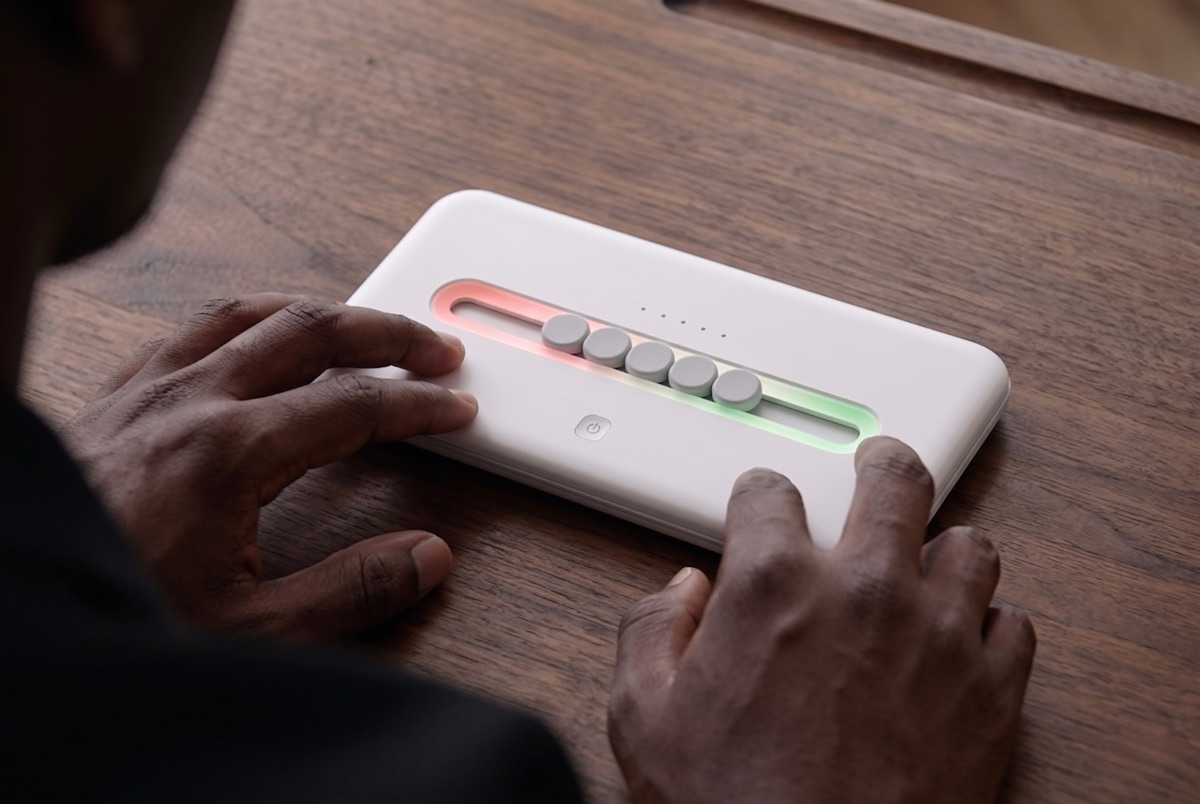 Concept render
The instrument
Five beads on a lit track. Slide toward friction or confidence, any time, without raising a hand.
Read the room
The whole class as a live heatmap, with gentle nudges toward who needs help, while there's still time to help.
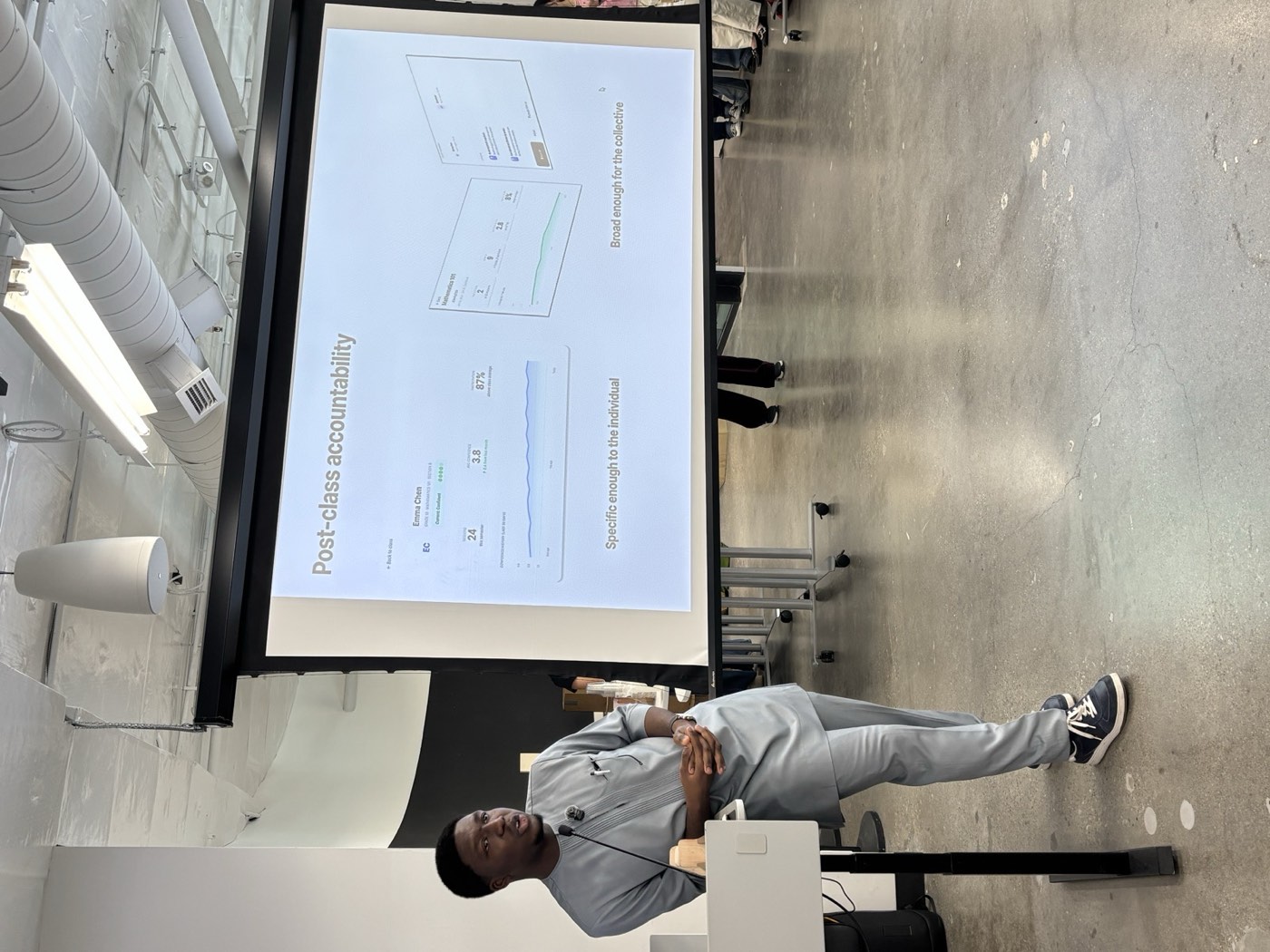
Post-class accountability
Session reports specific enough for each student, broad enough for the whole class.
Signals, not surveillance. No cameras, no microphones. Students choose what they share, and classmates never see it.
From sketch to product.
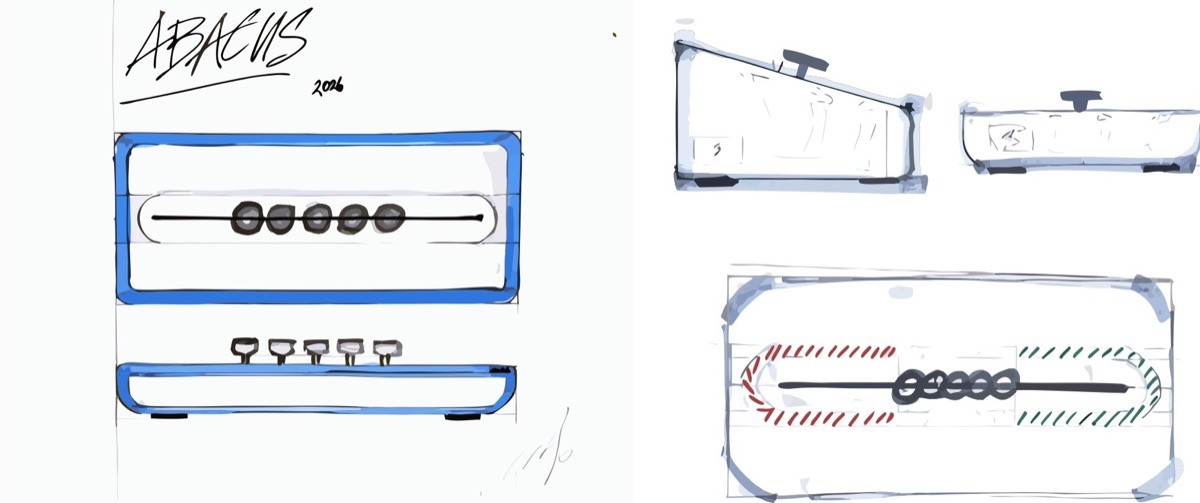
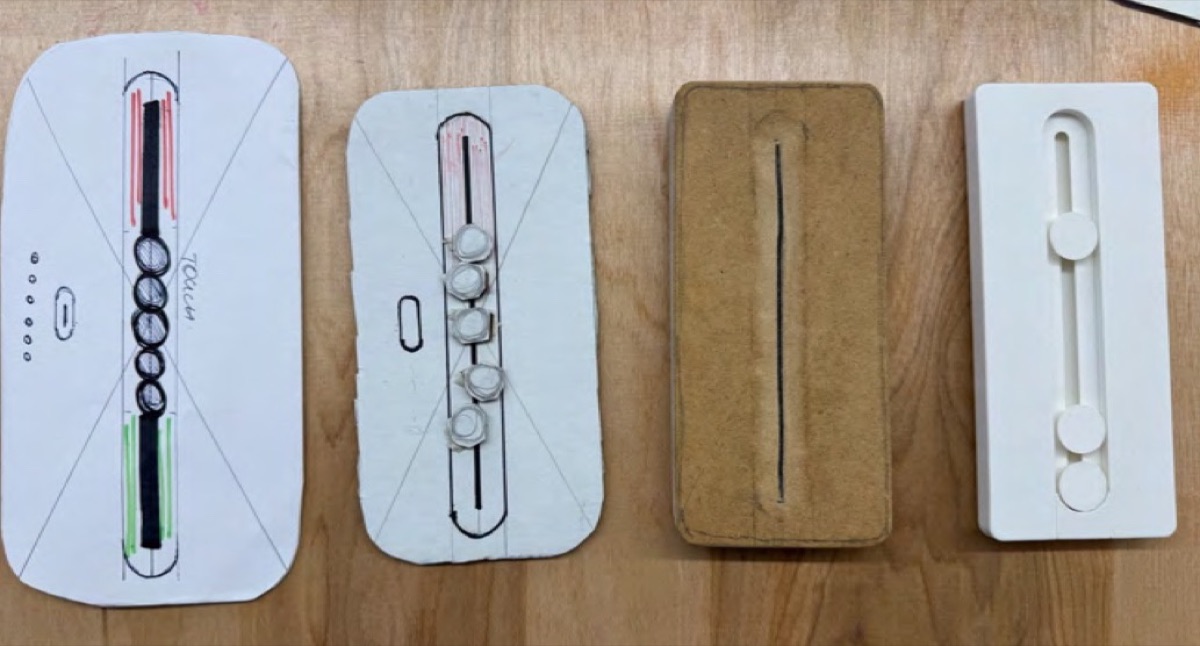
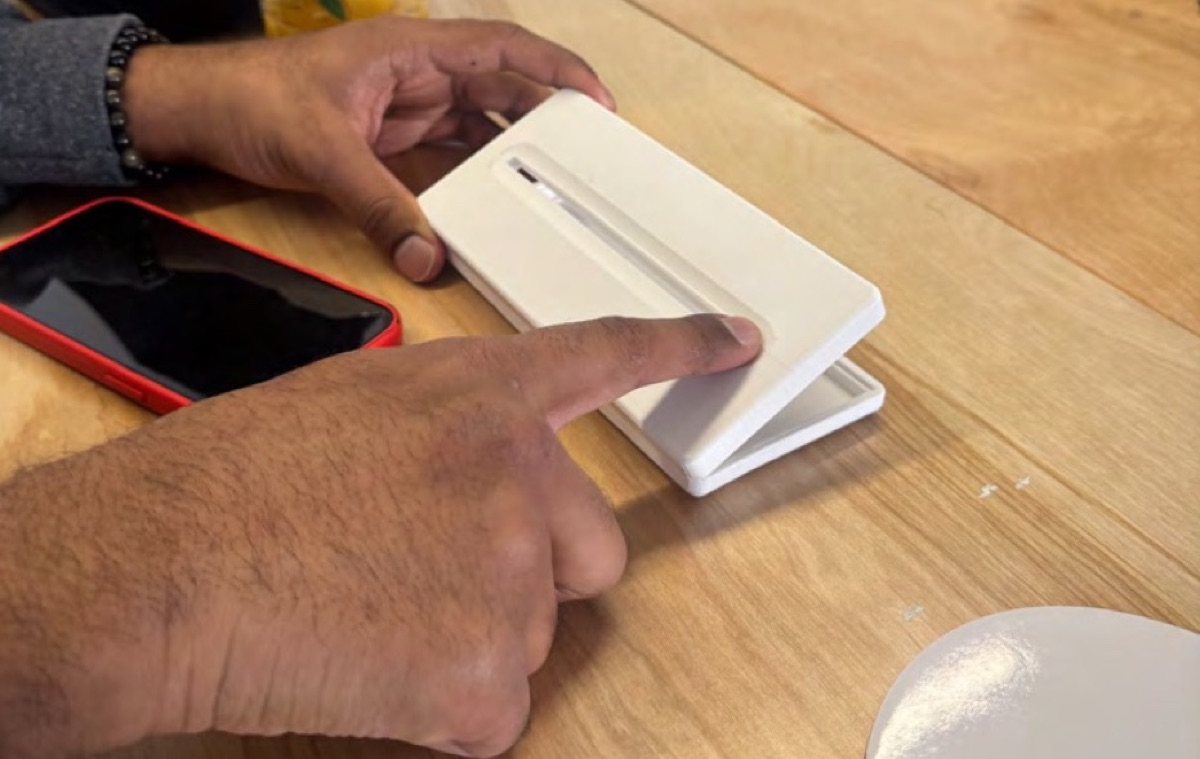
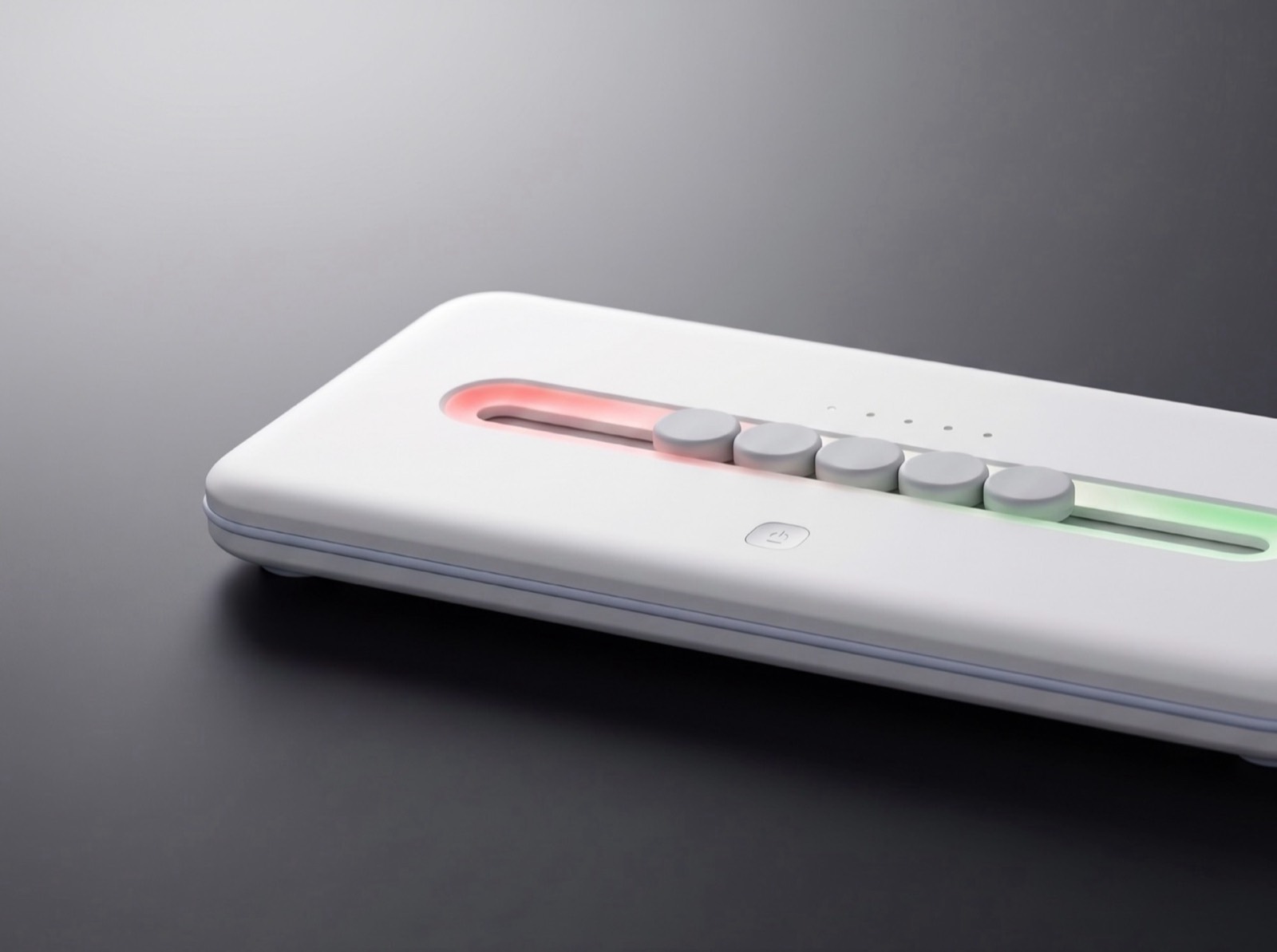 Concept render
Built for the moment
others miss.
| Feature | Abacus | Kahoot | Clickers | Canvas LMS | Mentimeter | Nearpod |
|---|---|---|---|---|---|---|
| Real-time feedback | ||||||
| Physical, tactile interface | ||||||
| Anonymous signalling | ||||||
| Continuous confidence tracking | ||||||
| Post-session analytics | ||||||
| AI-powered insights | ||||||
| Individual student profiles |
Abacus team analysis, 2026.
The only solution combining physical and continuous feedback.
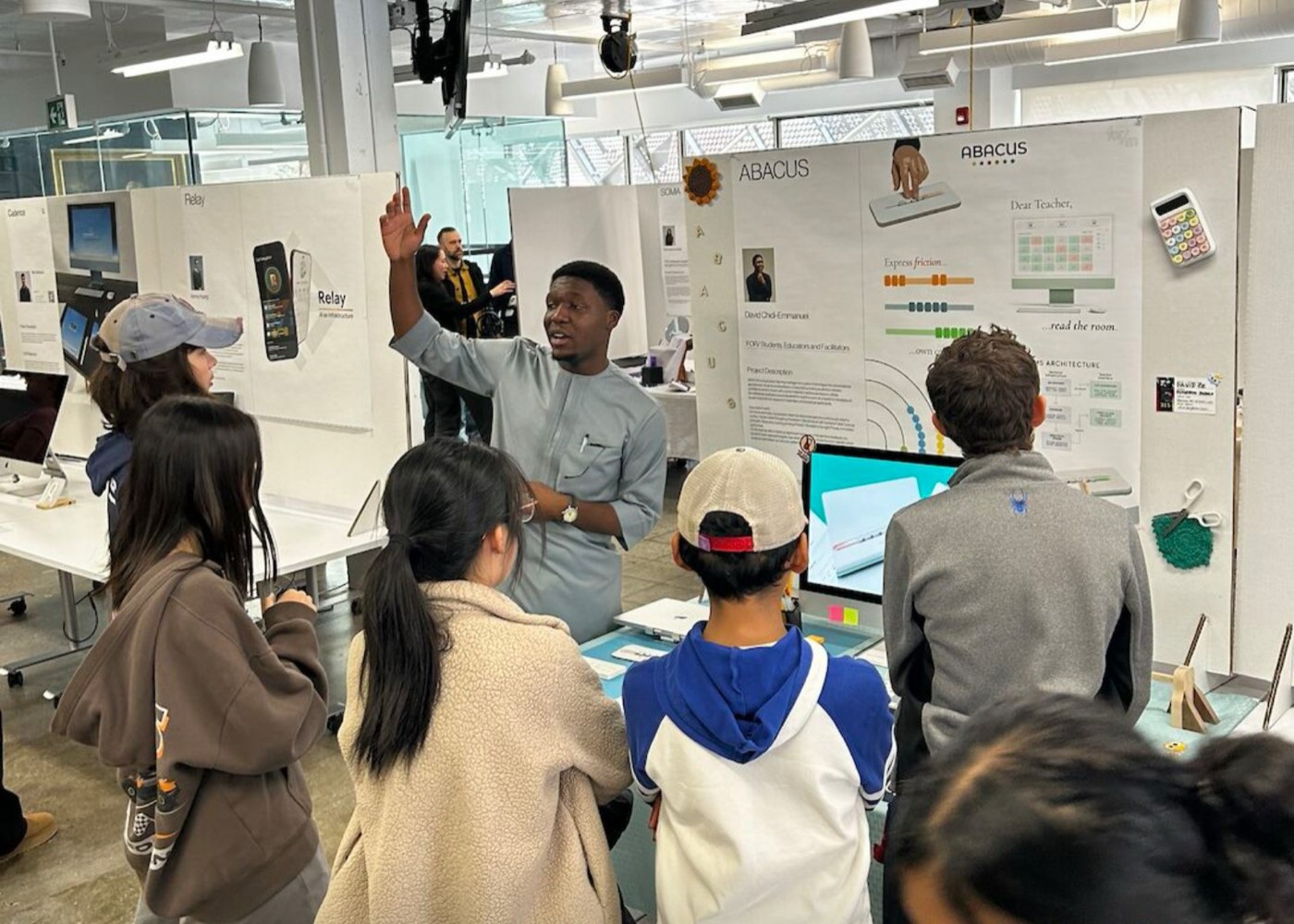
Tested with the people it serves.
Abacus began as David's Industrial Design thesis at OCAD University, then met its audience at GradEx: students, educators and facilitators trying the instrument for themselves.
- "I really need this in Mrs. ——'s class."
- "I can't wait to get this in our classrooms."
- "This is extremely helpful. I see how I could use this."
Middle and high school students at GradEx, OCAD University.

"I'm an expert of the student experience."
Thousands of hours on the student side of the desk. Abacus is what I built the moment I stepped out of the seat: to fix what we all sat through.
David Chidi Emmanuel · FounderThe road ahead.
Foundation
- Desk instrument v1
- Five-bead slider
- Live heatmap dashboard
- Session reports
Pilot & prove
- First partner schools
- NFC desk mapping
- Teacher onboarding
- Efficacy studies
- Student profiles
- AI insights engine
Scale & integrate
- Canvas and Google Classroom
- Student information systems
- Mobile app
- District admin tools
Expand
- Multi-mode input devices
- Predictive analytics
- Parent portal
- Higher education & international
- Research partnerships
Help us make every
classroom listen.
We're looking for partner schools for a first pilot, from a few weeks to one term, and talking with investors who care about education.
Sources
- Rowe, M. B. (1986). Wait time: Slowing down may be a way of speeding up! Journal of Teacher Education, 37(1), 43–50.
- OECD (2024). PISA 2022 Results (Volume V): Learning Strategies and Attitudes for Life. OECD Publishing.
- Gallup (2018). The School Cliff: Student Engagement Drops With Each School Year.
- Freeman, S., Eddy, S. L., McDonough, M., et al. (2014). Active learning increases student performance in science, engineering, and mathematics. PNAS, 111(23), 8410–8415.
- Hattie, J., & Timperley, H. (2007). The power of feedback. Review of Educational Research, 77(1), 81–112.
- Teacher quotes: Abacus survey of 30+ teachers and learning facilitators, 2026. Student quotes: GradEx, OCAD University, 2026. Unit timeline: illustrative.
- Product images marked "Concept render" were rendered with AI assistance. Competitive comparison: Abacus team analysis, 2026.